
The Myth That Boundaries Ruin Relationships, And What Healthy Ones Actually Do

Lianne Perry, MA, MSc., RCC

The Myth That Boundaries Ruin Relationships, And What Healthy Ones Actually Do
If you have ever worried that setting a boundary will make someone upset, pull them away from you, or make things awkward, you are in very good company. Many people sit in session with a soft sigh, look at me through the screen, and say something like, “I know I should say something, but I really do not want to cause a problem.”
Boundaries get a bad reputation. They sound harsh. Cold. Like walls.But healthy boundaries are more like tide pools. They protect what is inside while still staying connected to the larger ocean.
So today, let us talk about what boundaries actually do, why they feel so scary, and why they strengthen relationships instead of breaking them.
Why Boundaries Feel So Uncomfortable
Most people were never taught how to set boundaries in a way that feels natural. You may have learned that speaking up is rude. You may have grown up in a family where needs were ignored or where big feelings were not welcomed. You may have figured out that staying quiet kept the peace.
So of course your body reacts when you try to do something different.Of course you freeze a little when your throat tightens before you speak.Of course your heart beats faster when you consider saying, “I actually cannot do that today.”
Your nervous system is doing what it learned to do. It is trying to keep you safe.
Boundaries are not the problem. The old protective patterns are.
What Boundaries Actually Do In Healthy Relationships
Here is the part most people do not realize. Boundaries do not push people away. They actually pull the right people closer.
Healthy boundaries:
Create safety. When people know what your limits are, they do not have to guess. Safety grows when there is clarity.
Reduce resentment. When you keep saying yes out of guilt, frustration quietly builds. Boundaries prevent that.
Invite mutual respect. Boundaries show what you value. They teach others how to care for you.
Strengthen connection. When you show up as your real self, you build relationships where you can breathe.
Boundaries are not about pushing people out. They are about letting people in, but in a way that
feels healthy for you.
Why Pushback Happens When You Start Setting Boundaries
One thing my own counsellor once said to me that has stayed with me for years is this. When you start setting boundaries with people you have never had clear boundaries with before, expect some pushback. Not because the boundary is wrong, but because it is new.
We teach people how to treat us. And when you start changing the dance, even in healthy ways, the other person often feels it.
Sometimes the pushback is small, like a surprised look or a slightly disappointed sigh. Sometimes it is bigger, like frustration, guilt comments, or the classic, “You used to always do this for me.”
This is the moment where many people back down.Not because they do not believe in the boundary, but because the other person’s feelings feel heavier than their own need for space, respect, or rest. Conflict, even small conflict, can feel like danger to your nervous system if you grew up tiptoeing around other people’s reactions.
But here is the part that matters. Pushback does not mean the boundary is wrong. Pushback simply means the dynamic is shifting.
Most relationships adjust. Most people recalibrate. But the adjustment period can feel uncomfortable, especially if you are not expecting it.
Boundaries are not just about speaking up. They are also about staying grounded when someone else reacts.
What Healthy Boundaries Sound Like
Healthy boundaries are calm. Clear. Kind. They do not need to be loud. They do not need to be emotional. They certainly do not need to be perfect.
Here are a few examples clients often find helpful:
“I want to be there for you. I need to rest after work first, then I can talk.”
“I care about you and I cannot take that on today.”
“I can stay until 7, then I need to head out.”
“I would like to keep this part of my life private.”
These are not walls. They are clarity with kindness.
If Setting Boundaries Still Feels Hard, You Are Not Doing Anything Wrong
When clients tell me they want to set boundaries but feel frozen or overwhelmed, we slow everything down. You do not learn healthy boundaries by forcing yourself into big, dramatic confrontations.
You learn them by practicing small moments of honesty. One tiny truth at a time.
Your body will need time to learn that you are safe when you speak up.Your relationships will need time to adjust to the more authentic version of you.And that is completely normal.
With practice, boundaries stop feeling like conflict. They start feeling like self respect.
A Gentle Reminder If You Are Struggling With This
You are not too much. You are not selfish. You are not causing harm by communicating your needs.
Healthy relationships do not fall apart when you set boundaries.Only unhealthy patterns do.
You can learn this. You can practice it. And with the right support, you can feel safer being your full self, not the small, quiet version your past taught you to be.
Joey’s Take 🐾
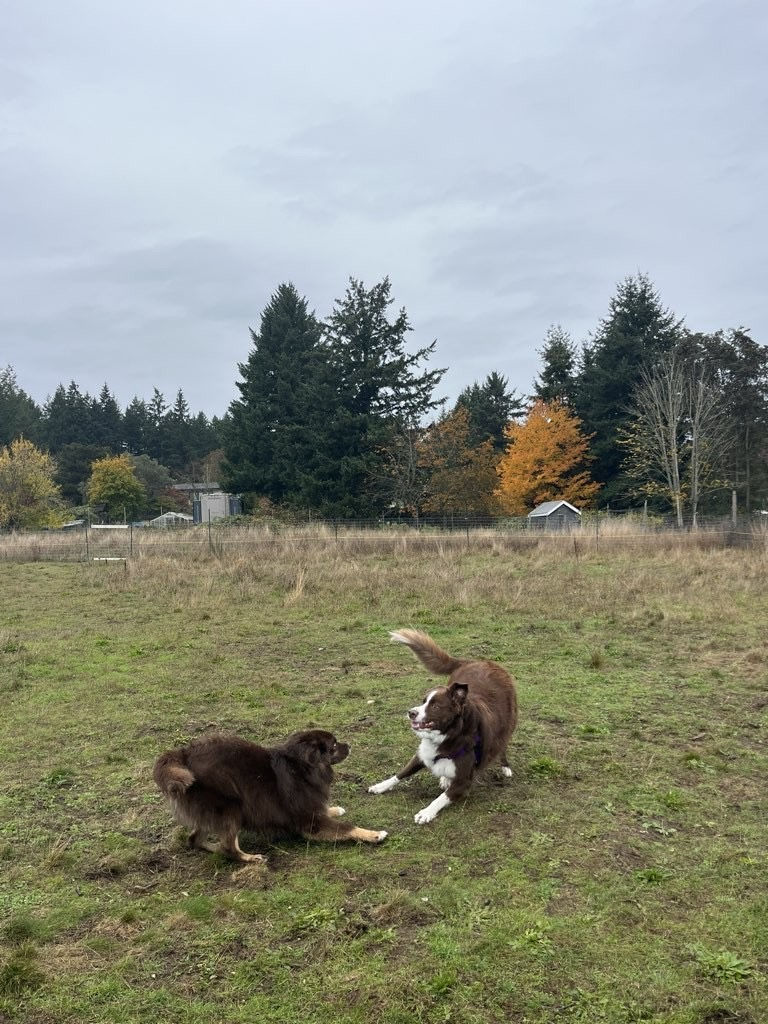
Dogs are actually boundary pros. If another dog barrels toward me like a furry tornado, I do not hold a meeting about it. I do not send an email. I do not say, “No worries, it’s fine,” when it is very much not fine.
I just give one clear signal. Maybe a step back. Maybe a side eye. Maybe a tiny grumble that says, “Buddy, that's not how you introduce yourself to me. Slow down".
And it works. The other dog usually goes, “Oh, my bad,” and we keep playing.
Humans make boundaries much harder than they need to be. You do not need to write a novel. You do not need a PowerPoint presentation. You just need to do what dogs do. Be clear, be kind, and let your signals say, “I like you, but please stop licking my face right now".
About Lianne
I am Lianne Perry, a Registered Clinical Counsellor in BC who works online with clients across Canada. I specialize in trauma, anxiety, and life transitions, and I am certified in EMDR, a powerful approach that helps people heal without having to relive every detail of the past. My sessions are grounded, collaborative, and often a mix of talk therapy and practical tools. When I am not in session, you will probably find me hiking with my Aussie, Joey, or sitting by the ocean, my favourite co therapist.


